A Beginner Wood Maker’s Blueprint: 5 Practical Habits to Speed Up Learning (Without Wasting Wood)
This article links to resources we recommend — we may receive a small commission if you choose to buy, at no extra cost to you.

Starting small and smart helps you learn faster and keeps frustration to a minimum.
There’s real satisfaction in turning rough boards into something useful, but the fastest path to progress is to build habits that reduce mistakes and build skills. Follow these five practical approaches to make steady gains without blowing your budget or your patience:
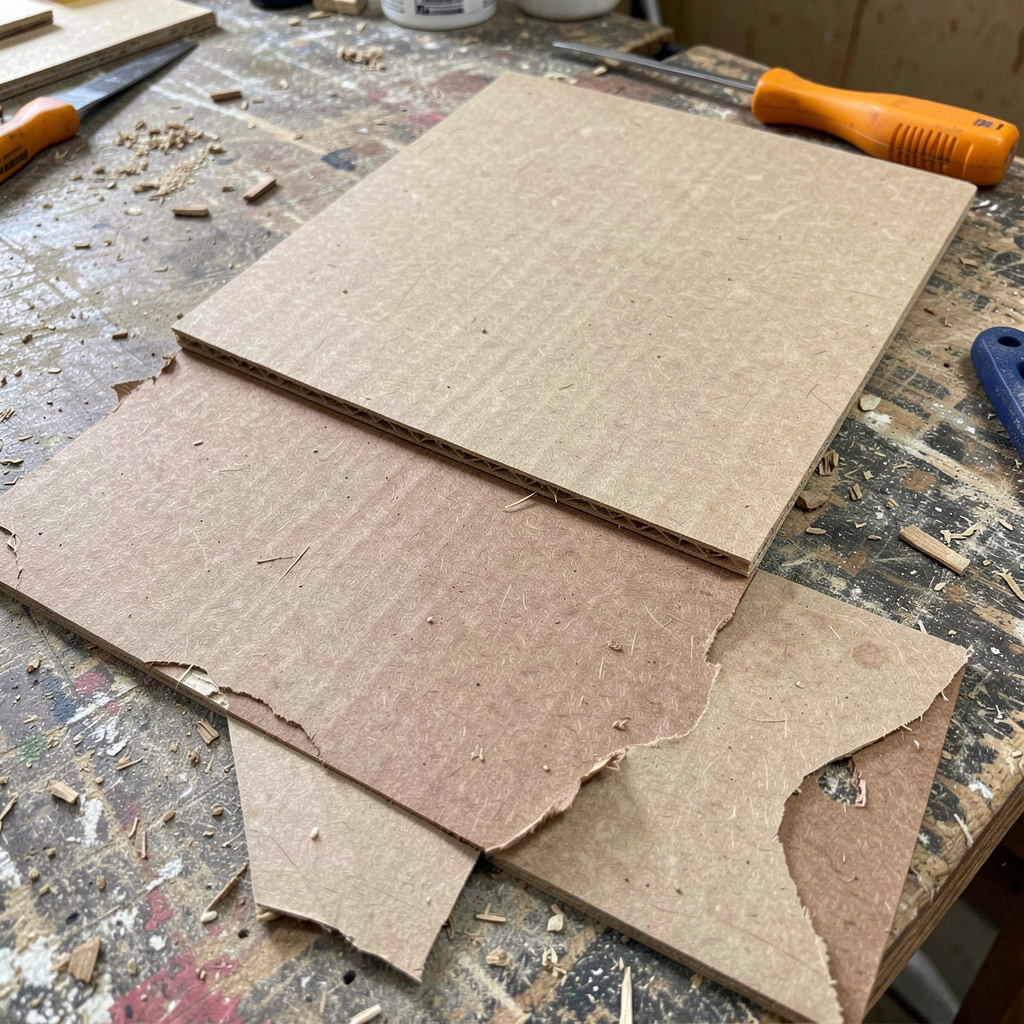
1. Prototype with Scraps First: Instead of cutting directly into your best board, make a quick mock-up from scrap material to test dimensions, fit, and assembly steps. A simple mock-up can reveal problems you won’t notice on paper
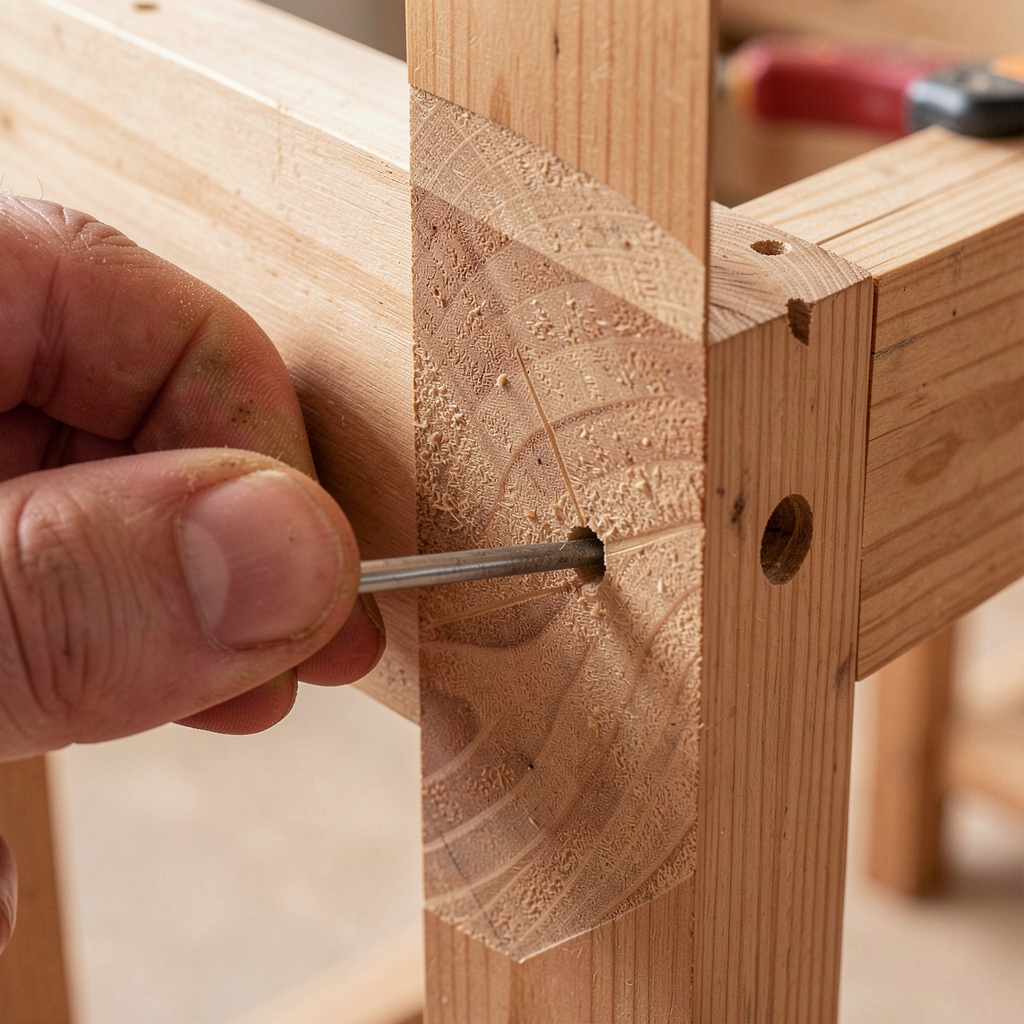
2. Focus on One Joinery Technique at a Time: Mastering a single joint—whether it’s a pocket hole, dado, or dovetail, gives you repeatable results faster than trying to learn everything at once. Consistency beats variety when you’re starting out.
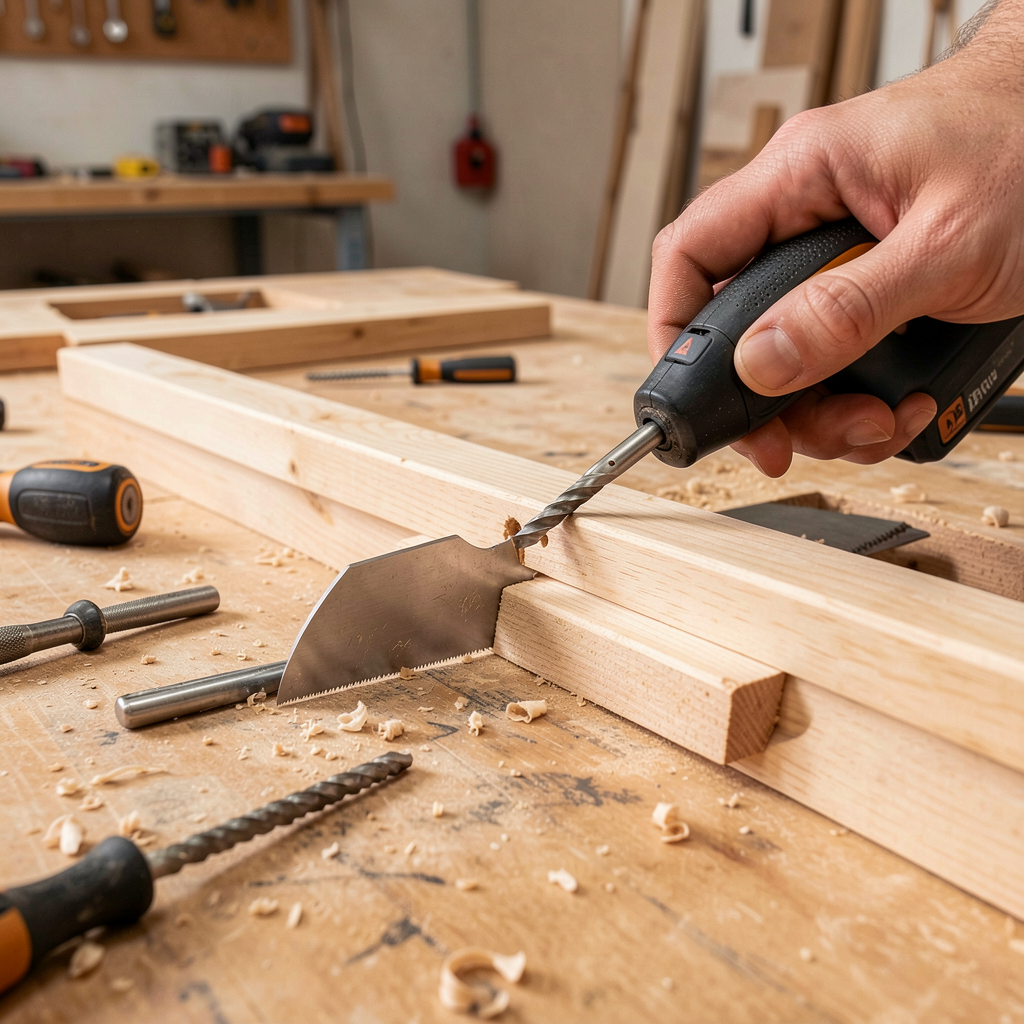
3. Keep Tools Tuned and Simple: Regularly check blades, bits, and fences so your tools cut predictably. A well-tuned basic tool-set will outperform cheap, dull equipment every time.
4. Test Finishes on Samples: Try stains, oils, and clear coats on scrap pieces before applying them to your project. Finishes can transform or ruin the look—testing avoids surprises.
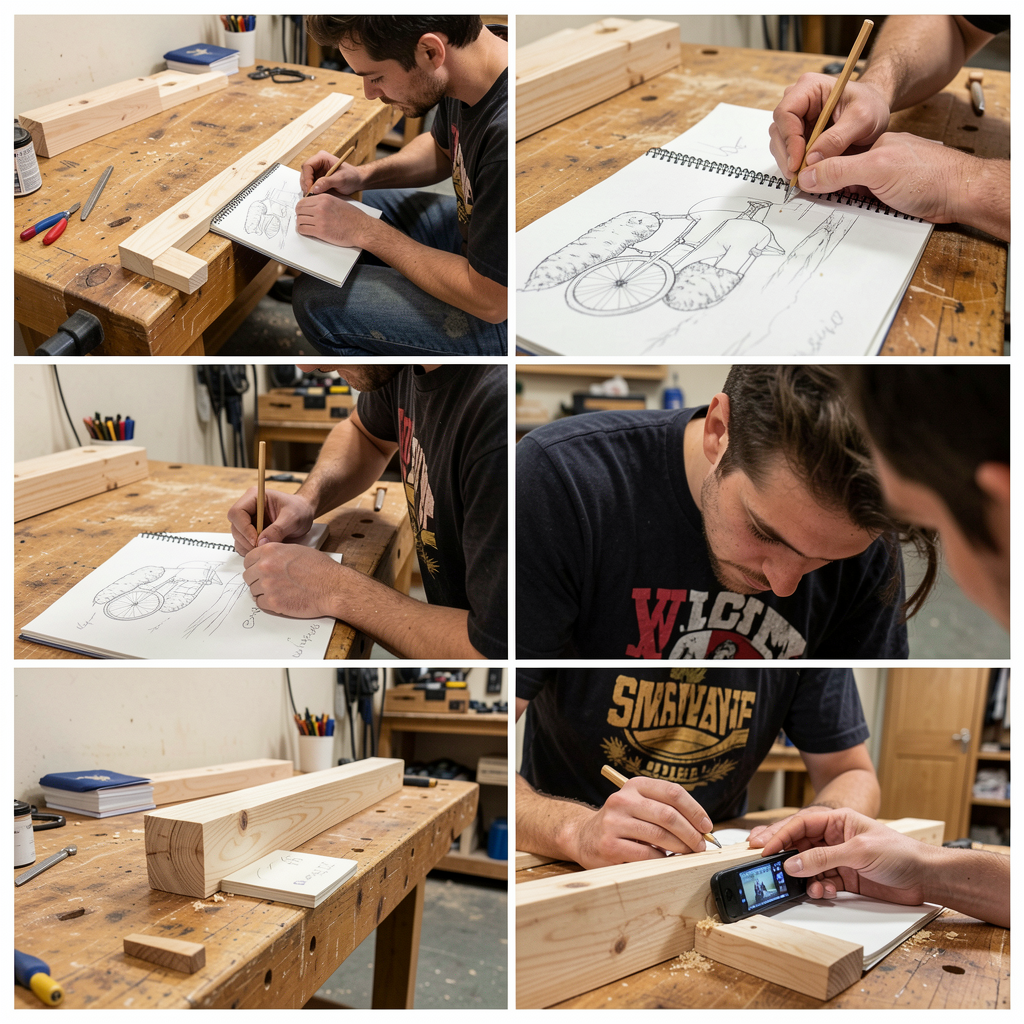
5. Document and Iterate: Take notes and photos of each build—what worked, what didn’t, and any measurements you adjusted.
Those small records become your personal playbook for better results. Ready to put these habits into practice?
If you want clear, step-by-step projects that reinforce good technique, explore our Project Plans Library for beginner-friendly builds with material lists, templates, and assembly photos.
Smart Home Essentials Pack
A cohesive starter kit that reduces friction in modern tech adoption. I evaluated compatibility, long-term value, privacy implications, and ease of setup, prioritizing items that offer clear benefits for a broad audience.